Vil du i gang med golf, støder du hurtigt på ordet golfkørekort. Men hvad er det egentlig, hvad koster det, og hvad får du lov til bagefter? Her er den ærlige guide til alle vejene, fra den billigste til den lidt dyrere, og hvad der sker, når kortet er i hus.
Vi er ikke en klub og sælger ikke et kursus, så vi har ingen grund til at pege dig i én bestemt retning. Det her er bare sådan det hænger sammen.
Hvad er et golfkørekort egentlig?
Golfkørekort er hverdagsordet for hele begynderforløbet, og selv Dansk Golf Union bruger det. Men det dækker over tre ting, der tit bliver blandet sammen. Her er forskellen:
Fire ord folk blander sammen
- Golfkørekortet: selve uddannelsen, undervisning plus prøver. Det er ikke et fysisk kort.
- Banetilladelse: det du får, når din klub godkender dig. Det giver lov til at spille din egen klubs bane, ikke alle andre baner endnu.
- Handicap: dit spillestyrke-tal. Som begynder starter du på det højeste, 54,0, og det oprettes i GolfBox.
- DGU-kort: det fulde, færdige forløb. Det giver ret til at spille alle baner i Danmark og resten af verden mod greenfee.
Kort sagt: golfkørekortet er rejsen, banetilladelse er adgang til din egen bane, og DGU-kortet er adgang til dem alle.
Hvad kræver golfkørekortet?
Dansk Golf Union sætter nogle minimumskrav, som klubberne bygger deres forløb op om. Du finder de officielle krav på DGU's egen side om golfkørekortet:
- 3 timers undervisning i langt spil
- 3 timers undervisning i kort spil
- 2 timers undervisning i regler og etikette
- En vurdering af dine slag-, spille- og regelfærdigheder
Den teoretiske del og noget af slagtræningen kan flere steder foregå indendørs eller i simulator, men selve vurderingen af dit spil på banen skal foregå udendørs. Vil du have reglerne for dig selv, har vi samlet dem i golfregler for begyndere og golfetikette på banen.
Sådan får du det: de to veje
Grundlæggende er der to veje til golfkørekortet. De dækker det samme indhold, men er meget forskellige på tempo.
- Vej A: klub-begynderforløb over tid. Holdundervisning i en klub, typisk strakt over 6 til 12 uger og ofte solgt som et tre-måneders forløb. Det klassiske spor, i roligt tempo.
- Vej B: intensivt weekendforløb. Hele kortet på en enkelt weekend eller to til fire sammenhængende dage, ofte hos en golfskole eller et akademi som golfkoerekort.dk, Dansk Golf Akademi eller City Golf Copenhagen. Hurtigt, men du skal kunne tage meget ind på kort tid.
Privattimer en-til-en hos en PGA-pro og kommercielle golfskoler er ikke en tredje vej, men varianter ovenpå de to: hold eller privattime, og en almindelig klub eller en kommerciel udbyder. Et klub-begynderforløb som hos Nivå Golfklub er et typisk eksempel på Vej A.
Hvad koster et golfkørekort?
Her bliver det tit forvirrende, fordi klubber blander kursusprisen sammen med et medlemskab. Skil de tre ting ad, så bliver det klart. Alle tal er konkrete eksempler og varierer fra klub til klub.
1. Selve kortet (undervisning og prøver)
Et standalone weekendkursus uden medlemskab koster typisk omkring 1.000 til 1.800 kroner. Eksempler: Hvide Klit 1.000 kroner, Kalø og Hørsholm omkring 1.600 kroner, Randers 1.795 kroner.
2. Pas på pakkepriser
Mange klub-begynderforløb bager selve kurset og et prøvemedlemskab sammen i én pris. Eksempler: Gyttegård 999 kroner inklusive frokost, Nivå 1.695 kroner inklusive tre måneders prøvemedlemskab og træning, Copenhagen Golf Center 1.995 kroner. Her betaler du altså kursus plus et midlertidigt medlemskab samlet, ikke kun kortet.
3. Medlemskabet bagefter
Når kortet er i hus, er det løbende medlemskab en separat udgift. Det kan være helt nede på cirka 450 til 515 kroner om året som et fleks- eller pay-and-play-medlemskab, hvor du betaler greenfee pr. runde i stedet for fast kontingent. Et fuldt klubmedlemskab koster mere og varierer kraftigt.
Hvad låser golfkørekortet op?
Det er her det bliver til rigtig golf, ikke bare lov til at være på banen.
- Et start-handicap på 54,0. Det er loftet for alle begyndere i det nuværende system. Du oprettes som begynder i GolfBox, og dit handicap begynder at bevæge sig, så snart du spiller en rigtig bane og afleverer en score.
- Banetilladelse og adgang til baner. Banetilladelse gælder din egen klubs bane, og med DGU-kortet får du adgang til alle baner.
- Adgang til HCP-regulerede baner. En HCP-reguleret bane er en bane med en officiel rating, hvor din score faktisk tæller til dit handicap. Par-3-baner og en del pay-and-play-baner uden rating tæller typisk ikke. For dig som ny betyder det helt konkret, at dit officielle handicap først rykker sig, når du spiller en ratet bane og indsender scoren.
Vil du forstå selve handicappet bedre, har vi forklaret hvordan officielt handicap virker i Danmark og hvordan du registrerer en tællende runde.
Hvad gør du efter golfkørekortet?
Det her er den del, ingen rigtig fortæller dig på forhånd. Du står med kortet og tænker og hvad så nu? Svaret er enkelt: du skal ud og spille, og helst med nogen.
Golf bliver sjovt, når runderne tæller for noget og du deler dem med vennerne. I Golfsocial holder du styr på dine runder og dit handicap gennem vores DGU-samarbejde, og du spiller og scorer sammen med dine venner i stedet for alene. Det officielle tal passer sig selv i baggrunden, mens du fokuserer på spillet og det sociale.
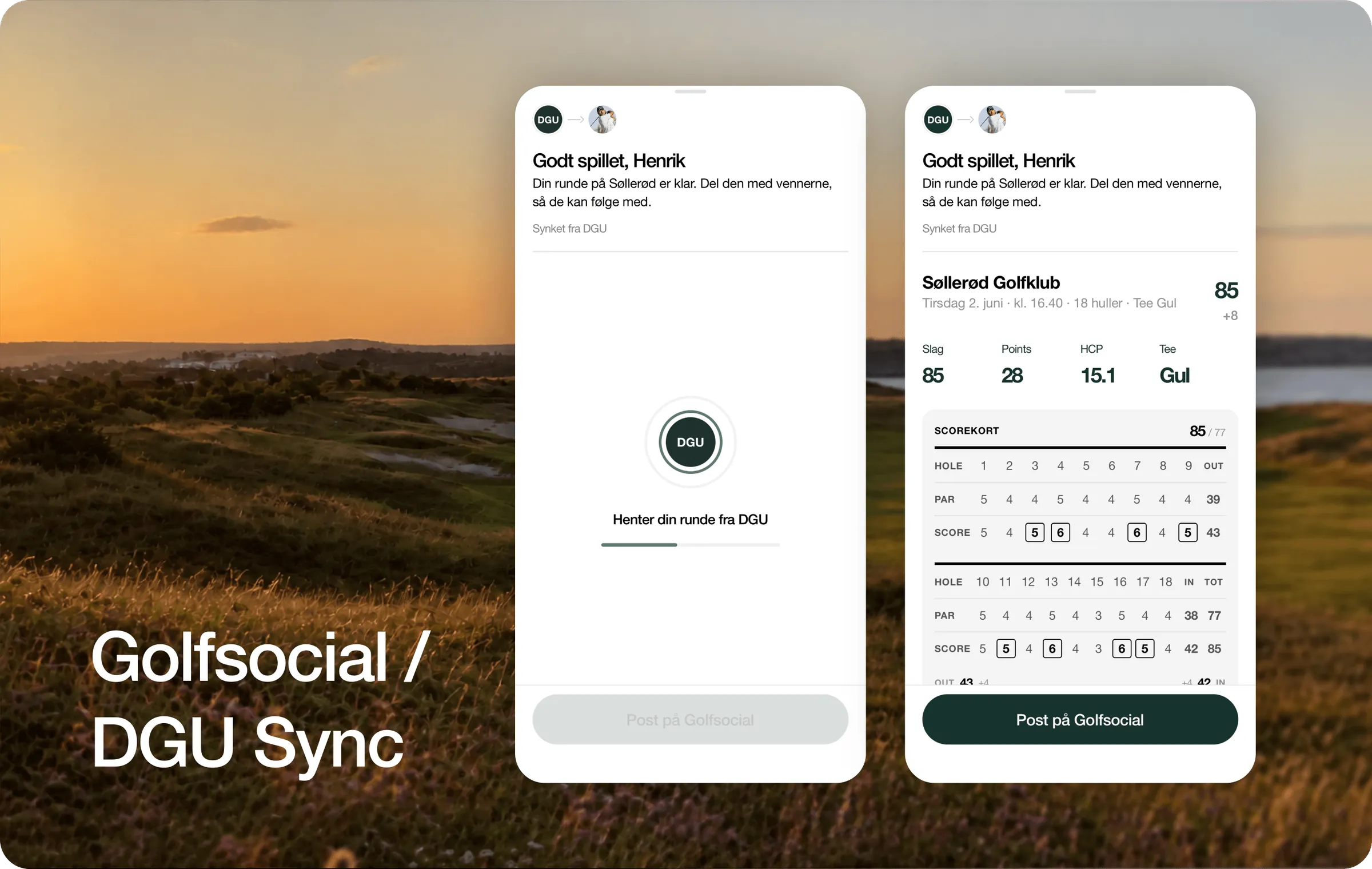
Det er pointen med golfkørekortet i sidste ende: ikke et bevis i en skuffe, men en indgang til en sport du spiller sammen med andre.
Kom i gang allerede nu, før du har kortet
Du behøver faktisk ikke vente på golfkørekortet for at komme i gang. Du kan spille par-3- og pay-and-play-baner helt uden golfkørekort, uden handicap og uden medlemskab. Du betaler en greenfee pr. runde, typisk omkring 100 til 200 kroner for 6 eller 9 huller, og udstyr kan oftest lejes på stedet. Par-3-baner med korte huller er lavet til nybegyndere, så det er den perfekte måde at prøve kræfter med golf, dig og vennerne, før du binder dig til noget.
Du finder pay-and-play-baner og booker tider på bookgolf.dk, Dansk Golf Unions egen platform, hvor du kan booke uden at være medlem noget sted. Vil du læse mere om at spille uden kort, har Golfstart.dk en god begynderguide. Det er den samme idé som at spille golf uden medlemskab.
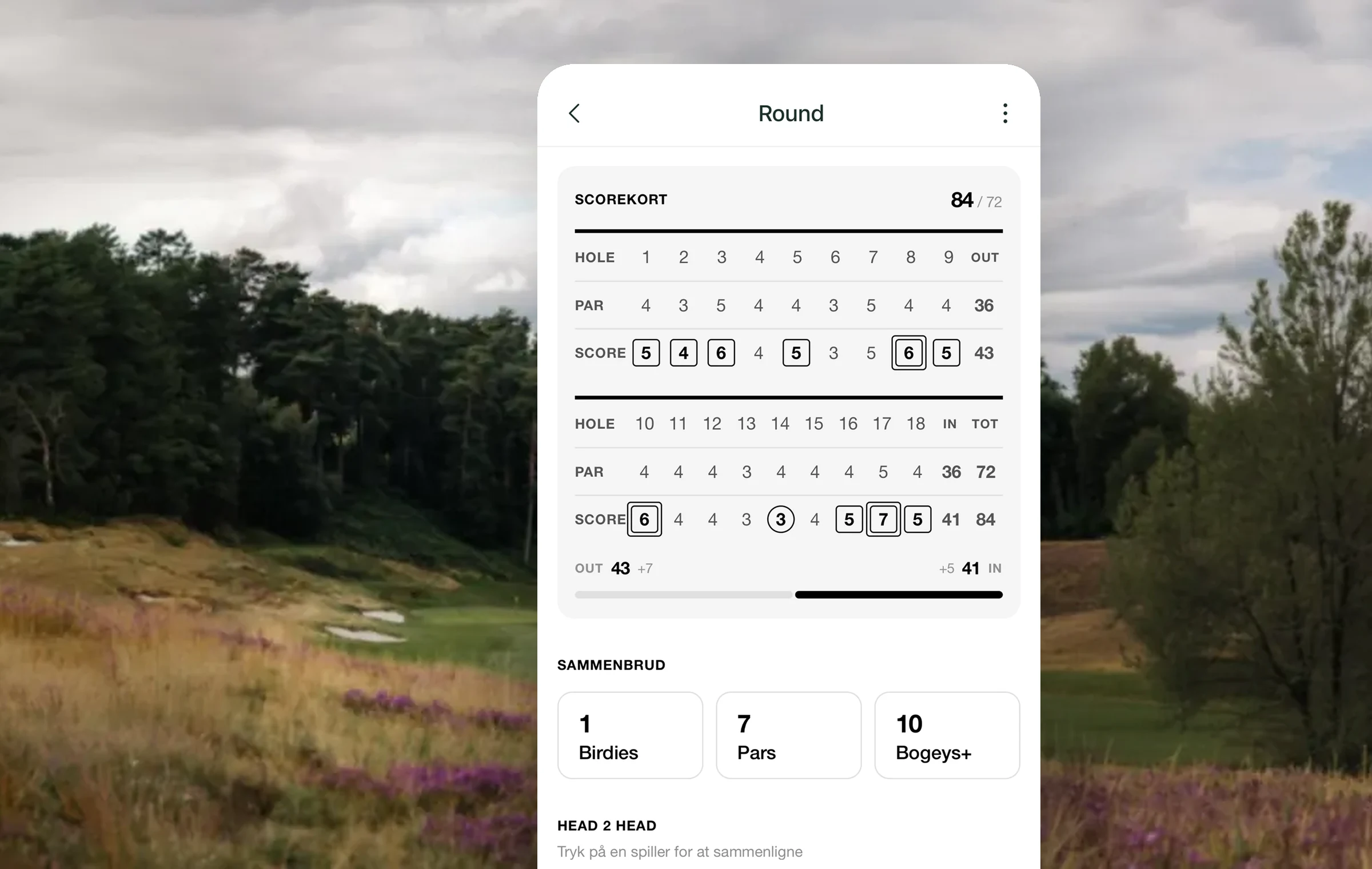
Og når du er klar til golfkørekortet, har du allerede prøvet det, og du ved hvad du går ind til.
Ofte stillede spørgsmål
Kan jeg tage golfkørekortet online? Kun teoridelen, og kun nogle steder. Dit spil skal vurderes fysisk på en bane, så et helt online golfkørekort findes ikke.
Hvor lang tid tager det? Fra en enkelt weekend på et intensivt kursus til et par måneder på et almindeligt klubforløb. Det afhænger af vejen du vælger og hvor meget du selv øver.
Skal jeg være medlem af en klub? Til selve golfkørekortet er du typisk tilknyttet en klub gennem et begynder- eller prøvemedlemskab. Men du kan begynde at spille socialt på par-3-baner før det.
Hvad koster det at vedligeholde? Det afhænger af din medlemskabsform. Fleksmedlemskab, hvor du betaler pr. runde, er den billigste måde at holde sig i gang på, hvis du ikke spiller så ofte.
Golfsocial-appen
Din golf, fra dag ét
Registrér dine runder, hold styr på dit handicap, og spil med vennerne. Gratis på iPhone og Android.

En hilsen fra banen.
Ingen støj. Kun når vi har noget at fortælle.